Knowing the Gulf Audience beyond the Language.
It is the cultural context that is more important than the literal meaning. Social standards, cultural expectations and techniques of communication are vastly unlike those of Western markets, whereas Arabic is the common language of the Gulf region. Although a literal translation can be grammatically correct, it can be unproductive or even culturally incorrect. As an example, such comedic, satirical or informative style of language can be attractive in a Western advertisement campaign, but it can be unprofessional or even disgusting to the Gulf viewers. Effective Translation for Gulf Audience requires sensitivity to such values as respect, formality, religion and focus on community.
Dialects and Modern Standard Arabic.
Whether to use regional dialects or Modern Standard Arabic (MSA) is a common dilemma for companies. When working with multilingual material:
- MSA is ideal in business messages, legal texts, websites and official texts.
- Gulf dialects would be more suitable when it comes to special video content or customer interaction campaigns.
When the wrong strategy is employed, a brand might emerge as being indifferent or unnatural. This is why it is important to have localised knowledge of the language by qualified linguists.
Why Fined-tuning Translation Creates Brand Trust in the Gulf.
Professionally, One Earns Trust by Accuracy and Respect.
Gulf consumers value credibility. Even in the slightest cases of translation error, like in the medical information sector, law, or a business service, the scepticism of trust in a brand will be established. I have found that the correct terminology and an appropriate choice of tone are necessary in such fields as healthcare and law. It is at this point that services such as Medical Interpretation, Legal Interpretation come into play as they make sure that communication is understood and is considered valid.
Religious and Social Aspects
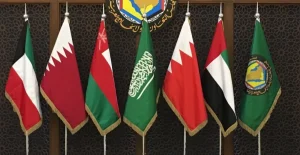
Religion plays a significant role in the daily life of the Gulf. Allusions, images, and words should appeal to Islamic values and local customs. Consideration of translation will include: Appropriate greetings and official titles, Use of respectful language that will fit local traditions and culture. Translations that are culturally oriented demonstrate empathy, and thus, the relationship of the brand to the audience will improve.
The Specialised Language Services in the Gulf Markets.
Multilingual Translation for Various Audiences.
The predominant language in the Gulf is Arabic, although the expatriate population is also big and heterogeneous. There are so many businesses that require content in more than one language, and yet they require a strong Arabic identity. Multilingual translation allows the brands to reach the local citizens and international residents, ensuring that their message remains clear and consistent. At TransLinguist, we ensure that our translation retains the voice of your brand and also considers the requirements of every audience.
Video and Real-Time Communication Requirements.
Video content and real-time communication have become more important with the emergence of digital platforms. The use of services such as Video Remote Interpretation (VRI) allows brands to:
- Converse in real-time with Arabic clients.
- Give international customer care.
- Send culturally correct messages on demand.
I have observed VRI to be an important factor in the manufacturing industry, like healthcare, corporate training, and customer care, where clarity and urgency are important.
Top Blunders that Brands commit when marketing to Gulf audiences.
Use of Automated Translation Tools.
Machine translation can be quick; however, it can be culturally unaware. Automated devices often lack context, tone and location sensitivities, which are essential aspects of effective translation concerning Gulf audience. This may cause bad wording or poor judgments that are damaging to the brand image.
Ignoring Local Expertise
The other pitfall is to think that a single Arabic translation will be applicable across the markets. The Gulf region is in need of translators who are aware of:
- Business etiquette in the region.
- Local legal and medical terminologies.
- Professional communication cultural expectations.
Collaboration with seasoned language service providers can enable the brands to evade these traps.
The Power of subtler translation to promote brand long-term effects.
Greater Emotional Attachment.
As soon as the audiences perceive that a message is addressed to them, in their language and in their cultural context, they are more inclined to react. The subtle translation does not just generate visibility but also a sense of loyalty to the brand.
Better Performance in the market.
Based on my experience in language projects, culturally informed translation can help a brand to:
- Higher engagement rates
- Better customer retention
- Greater competitiveness leads to trust in the market.
This is more so in high-stakes industries such as healthcare, legal services and government communication.
Conclusion
To enter the Gulf markets successfully, it will not be enough to localise. Translation for Gulf Audience is one of the strategic investments that will mix linguistic precision, cultural understanding and professionalism. Brands that focus on subtle translation are viewed as ones that respect, are credible, and are people-oriented.
Ready to overcome the communication barriers and reach the Gulf audiences on a personal level? Get in touch with TransLinguist now and consider using professional Multilingual Translation, Medical Interpretation, and Video Remote Interpretation services that can help your brand create a lasting impression.
FAQs
What are the cultural blunders in the largest gulf translation?
Making up wrong dialects, wrong images, and informal references to religion. Every country of the Gulf is unique in terms of social norms to be considered.
What are your adaptation tips to UAE vs. KSA?
The UAE material is more bilingual and worldwide. KSA needs institutionalized Arabic, increased cultural dexterity, and congruence to local visions such as Saudi Vision 2030.