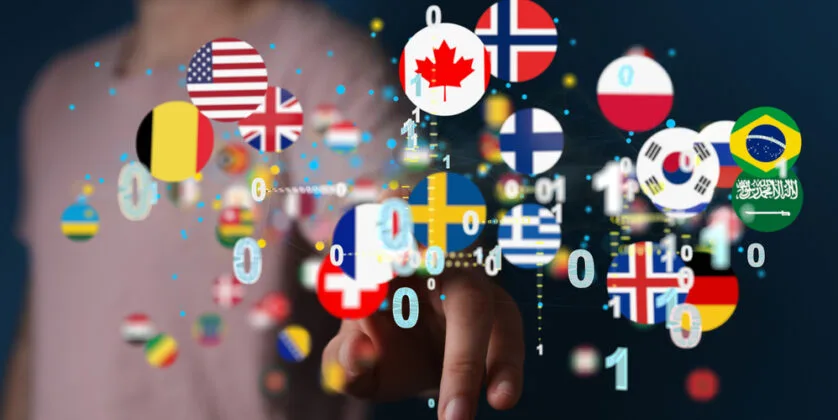
Cross-border e-commerce translation sits at the heart of every successful global online store. I’ve seen brands with beautiful products struggle simply because their words did not travel well. When a shopper lands on a page from another country, they are not just reading text. They are deciding whether to trust you. Cross-border e-commerce translation helps turn curiosity into confidence and confidence into sales. This is where the true cross-border e-commerce experience begins and ends.
Why Language Decides Trust in Global E-commerce
Think about the last time you visited a website in a language that was not fully clear to you. You probably hesitated. Maybe you double-checked the price or worried about checkout. That hesitation is the silent killer of conversions. Cross-border e-commerce translation removes that friction. It ensures product descriptions, payment steps, and return policies feel local and familiar.
In my early days working with international sellers, I learned one simple truth. Shoppers forgive higher prices faster than they forgive confusion. Clear translation builds credibility. Poor translation creates doubt. This is why the cross-border e-commerce experience depends so heavily on linguistic accuracy and cultural nuance.
From Product Page to Payment Screen: Every Word Matters
Product Discovery and Description Clarity
The first click often comes from an ad or search result. Once the shopper arrives, the product description must speak their language both literally and culturally. Cross-border e-commerce translation ensures sizing, materials, and benefits make sense locally. A literal translation rarely works. Meaning matters more than words.
Checkout Flow and Emotional Reassurance
Checkout is where emotions peak. Shoppers ask themselves: Will my card work? Will this ship on time? Can I return it? If the language feels awkward, trust drops instantly. I’ve watched conversion rates climb simply by refining checkout translations. This is where professional support like multilingual glossary development becomes powerful. It keeps terms consistent across pages and prevents confusion.
Customer Support After the Sale
The experience does not end at checkout. Order confirmations, shipping updates, and support replies all shape the cross-border e-commerce experience. Even in cases when high-value clients require real-time reassurance, on-demand remote interpretation of Zoom and Teams can be of use. I have observed that a brand can save money by just being able to speak at the right time, in a clear tone.
Tailoring Content for Regional Sensitivities and SEO
Cross-border e-commerce translation goes far beyond swapping words it demands deep cultural adaptation to resonate with local audiences. For instance, color choices in product images, humor in marketing copy, or even date formats can make or break trust in markets like the Middle East or the USA. Local idioms, holidays, and tastes are used by the professionals so that your brand would not sound like an alien.
This layer also boosts local SEO. By optimizing translated product descriptions with market-specific keywords (e.g., “halal-certified” for Middle Eastern shoppers or “free returns” for US buyers), cross-border e-commerce translation improves search rankings and drives organic traffic. Brands I’ve worked with have seen a 30-50% uplift in conversions by aligning language with cultural expectations and search intent.
The Hidden Role of Interpretation in Global Growth
Many people think translation only lives on the screen. In reality, spoken language matters too. Global brands host product launches, training sessions, and partner meetings across borders. Simultaneous interpretation for live events allows teams and customers to connect without delay. This creates alignment internally and confidence externally.
TransLinguist tends to be mentioned in such discussions because they know that language is not an individual activity, but a system. Brands can be developed more rapidly and without errors when translation, interpretation, and terminology collaborate.
Why Automation Alone Is Not Enough
Machine tools do good work when they have none. They are not able to feel tone, humor, and cultural sensitivity. E-commerce translation conducted by skilled professionals across borders is a combination of precision and sensitivity. It is human, therefore it is human. And that is what makes the distinction between the stores that are just selling abroad and those that are there.
Final Thoughts and Next Steps
Cross-border e-commerce translation is not a cost. It is a growth engine. From the first click to the final checkout, every word shapes trust, and trust drives revenue. If you are serious about building a strong cross-border e-commerce experience, now is the time to invest in language done right. Get in touch with TransLinguist to find out the viable options that would have your brand communicate well, confidently, and internationally.
FAQs
Why is cross-border e-commerce translation different from regular translation?
Because it focuses on buyer psychology, trust, and conversion rather than just words.
How often should e-commerce content be updated for new markets?
Whenever pricing, policies, or customer expectations change, which happens more often than most brands expect
Can translation improve conversion rates?
Yes, clear localized language reduces hesitation and increases checkout completion.
Is interpretation useful for e-commerce brands?
Yes, especially for enterprise sales, partner calls, and live product events.
What is the biggest mistake brands make in global expansion?
Relying on direct translation without cultural context.